ISI Inspection Report
In November 2025, St Faith’s Prep was inspected by the Independent Schools Inspectorate (ISI), the independent schools equivalent of Ofsted. After an incredibly positive three days, where we were able to show off every aspect of our amazing school, we are delighted with the inspectors’ findings.
The inspectors have praised many aspects of our school, but best of all, they awarded us a Significant Strength. These are rare – with only a handful of schools (around 11%) across the country receiving such an accolade. It recognises a particular strength of provision that has a clear, demonstrable and highly beneficial impact for pupils.
‘Leaders’ processes for self-evaluation are a significant strength of the school. Their inclusive, focused approach ensures that the views of pupils, parents and staff are intrinsic parts of the decision-making progress. As a result, the areas identified for development have a significant impact on the wellbeing of pupils.’
What they said about our school
- Leaders promote positive behaviour amongst the pupils. This is achieved through well-developed positive behaviour and anti-bullying strategies. As a result, pupils understand the importance of behaving appropriately. The success of the strategies is reflected in the quality of pupils’ behaviour.
- Leaders ensure effective implementation of anti-bullying and positive behaviour policies, using software to track and address concerns. Behavioural incidents are rare. When they occur, leaders act quickly and encourage pupils to engage in reflection.
- Mutual respect and tolerance are at the heart of leaders’ decisions.
What they said about learning
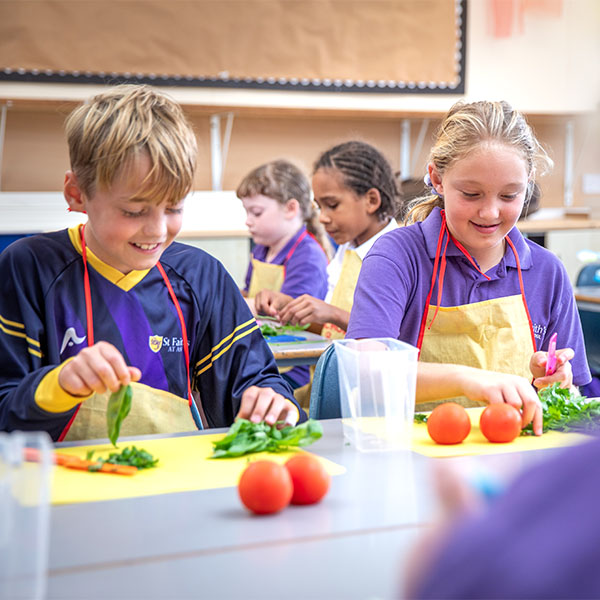
- Leaders develop a curriculum that is tailored to meet the diverse needs of pupils. It includes subjects that nurture creative, aesthetic and technological growth, alongside core areas such as mathematics, English and science. As a result, pupils are meaningfully engaged in activities that broaden their experiences and increase their knowledge and understanding.
- Leaders promote the creative aspects of the curriculum, particularly music and art. As a result, performance and achievement levels are notable and involvement is high.
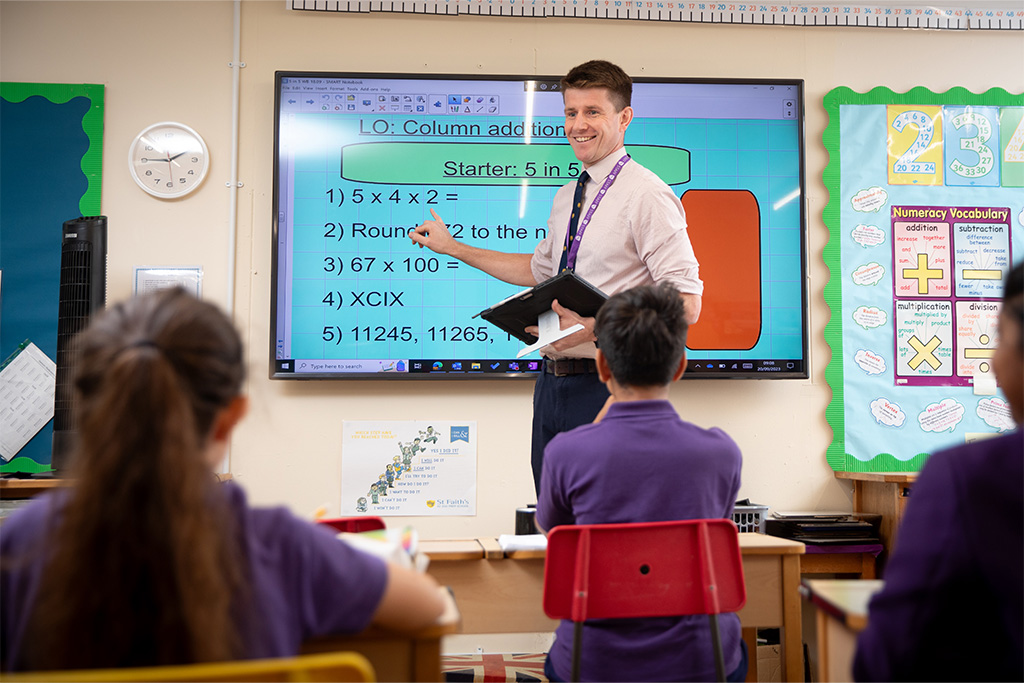
- Leaders assess and track pupils’ progress, monitoring individual achievement to inform future support. They analyse data about the attainment of different groups of pupils and tailor strategies and activities in response. Continual teacher assessment and meaningful feedback help pupils understand how to improve, supporting good progress.
- Leaders have created a tailored physical education (PE) curriculum taught by specialist teachers, helping pupils to build knowledge and skills as they move through school
What they said about opportunity
- Leaders promote pupils’ social responsibility. This is reflected in pupils’ contributions to school life, including through the prefect system.
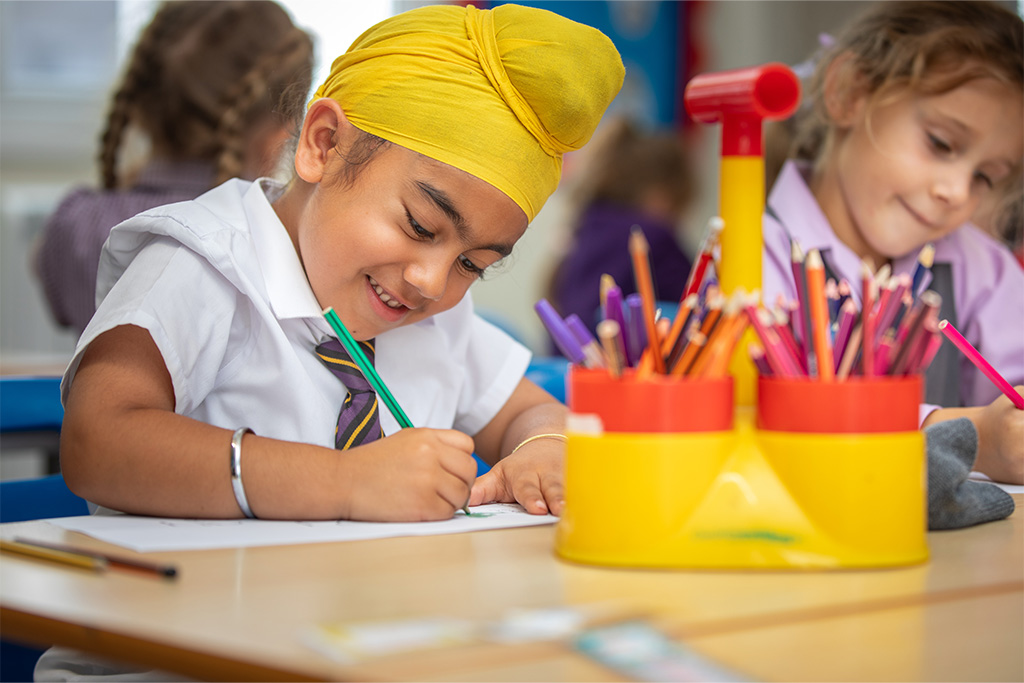
- Leaders prioritise mutual respect amongst members of the school community. Pupils understand their responsibilities in supporting one another. Pupils understand the importance of celebrating individuality and the richness that this brings to society.
- Through activities such as the ‘friendship council’, school council and being eco-warriors, pupils develop their sense of self and belonging.
- Pupils develop a demonstrable awareness of social responsibility from an early age.
- Leaders design effective programmes and events that promote pupils’ understanding of the economy, money and business.

What they said about our pupils
- Leaders maintain a clear focus on equality and inclusion. As a result, pupils feel safe in school.
- The needs of pupils who have special educational needs and/or disabilities (SEND) and those who speak English as an additional language (EAL) are well supported through targeted support and knowledgeable teachers.
- Pupils also develop a keen awareness of their social responsibilities to wider society. This supports pupils well as they prepare for the next stages of their lives.
- Pupils understand that individuality should be celebrated and they support one another should they feel any injustice.
- Pupils understand the importance of their emotional wellbeing. Pupils develop their spiritual understanding as they are inspired to consider how they are part of a bigger picture.
- Through an understanding of societal expectations, pupils develop a mature sense of distinguishing right from wrong. They readily accept responsibility for their actions. These skills successfully support pupils’ development as responsible citizens who are ready to contribute positively to the world around them.
What they said about our staff
- Teachers know the pupils well. They match their teaching to suit individual needs. Consequently, all pupils make good progress and are well prepared for their senior schools.
- Teachers effectively plan the curriculum to suit pupils’ needs, drawing on their in-depth understanding of each pupil. They are attentive to the need for adapting tasks and offer progressively challenging activities, presenting subject material in varied ways.
- Teachers manage classroom behaviour effectively. They ensure that pupils are engaged in their learning through meaningful activities and lessons delivered at an appropriate pace. As a result, pupils engage in their learning so that they can deepen their understanding.
What they said about our Early Years
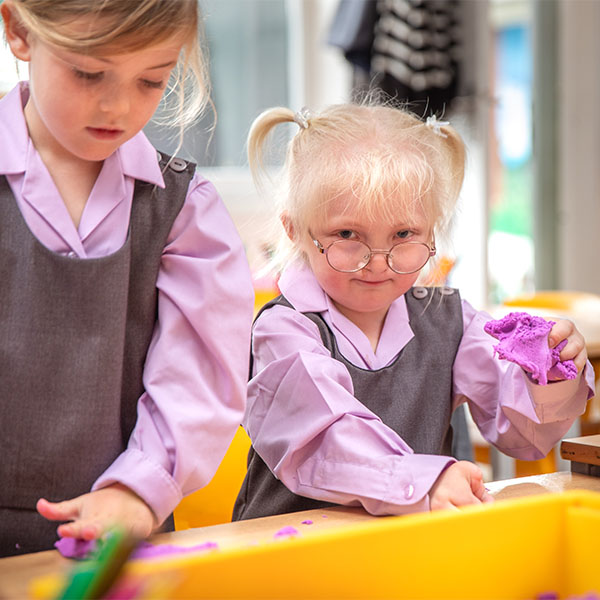
- Leaders in the early years facilitate the firm foundations that are built upon as children move through the school. A focus on the developmental needs of each child fully supports their academic and social growth.
- In the early years, leaders strategically design a variety of engaging activities to promote children’s development. Emphasis on language, literacy and numeracy ensures pupils are well prepared for their transition into Year 1.
- Physical and mental health in the early years are actively nurtured through flexible settling‑in routines, effective parent partnerships and daily wellbeing practices. Staff encourage independence, resilience and confidence which supports pupils’ emotional development
- Leaders in the early years place an emphasis on the development of children’s social interactions. From an early age children understand the importance of saying please and thank you and that taking turns is fair.
You can read the full report here:
Past reports